Fit Checks to Do Before You Remove the Tags
- Curve File Editorial Team
- 06 Apr, 2026
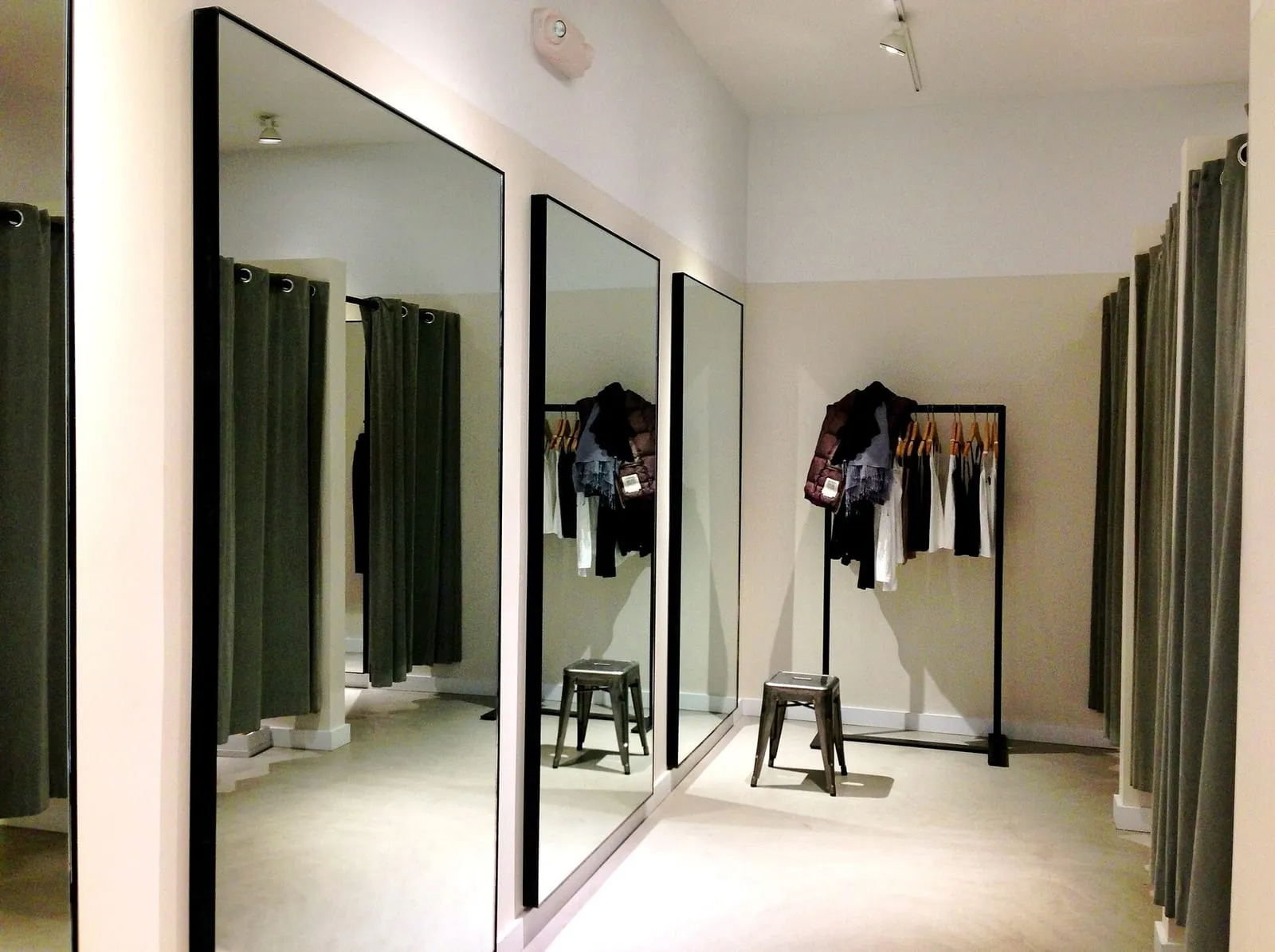
Trying a garment on and looking in a mirror answers the easiest question: does this look right standing still, in this light, from this angle. It does not answer whether the garment was graded for a body that moves, sits down and raises its arms. That takes deliberate movement, and the five minutes are worth it because the tags come off once.
Do it at the end of the day
Body size changes through the day with heat, food and standing. A garment tried on first thing in the morning can be a size too optimistic by the evening, when most of the wearing happens. If you can, do your fit checks late rather than early.
Try the garment over the underwear and base layers you would actually wear with it, and put the shoes on for anything with a hem.
The movement checks
Work through these in order. Each one isolates something a tailor can or cannot fix, which is what makes the result useful.
1. Raise both arms overhead. Note where the fabric pulls. Tension at the front of the armhole or across the upper back means the armhole and sleeve head are too tight for your shoulder, which is the hardest problem on this list to fix.
2. Reach forward, as if for a door handle. A garment that restricts this is too tight across the back. It will feel worse after a day of wearing it.
3. Sit down, then cross your legs. For trousers, this is the real test: a rise that is too short pulls at the waistband, and one that is too long bunches at the crotch. For dresses, sitting shows whether the waist seam stays where it should.
4. Step up onto a step or a low stool. This is the quickest way to find whether a trouser or skirt binds across the thigh and whether the crotch hangs correctly.
5. Look for pull lines in the mirror. An X of wrinkles radiating from a strain point means the garment is too tight there. Straight vertical folds hanging from the bust mean the garment has too much room, or that the bust point sits above where your body is and the fabric is not being carried by anything.
6. Check the shoulder seam. It should land on, or just past, the bony point of your shoulder. A seam that has slid down the arm means the shoulder was graded too wide; a seam that sits inside the point means it was graded too narrow and the sleeve will pull.
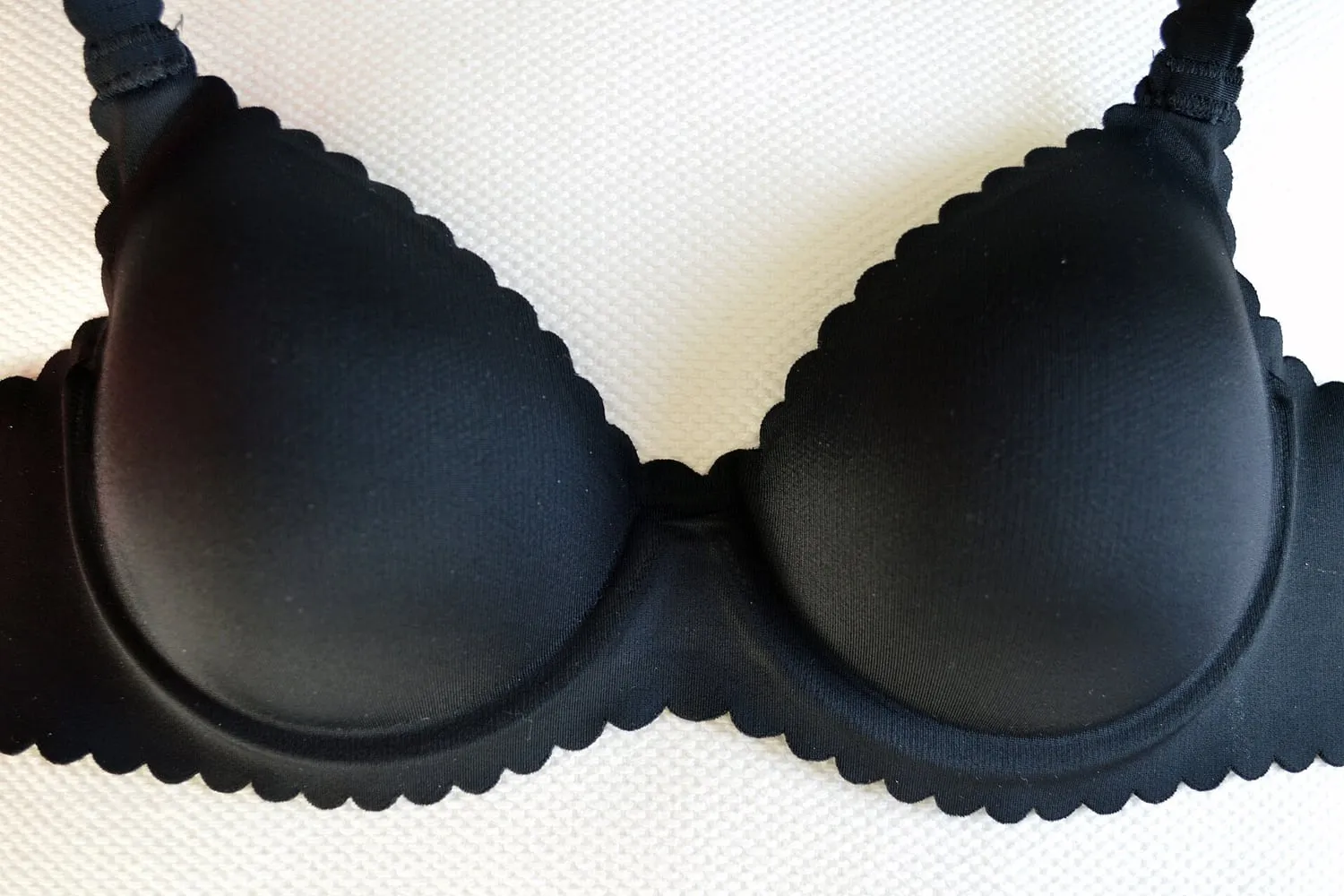
7. Check the bust position. On a garment with a defined bust seam, dart or princess line, the shape should sit at the fullest part of your bust. If the seam sits above it, the waist will ride up and the front hem will lift when you move.
8. Check the neckline. Bend forward. A neckline that gapes open is a shoulder and bust-position problem rather than a bust-size problem, and it usually cannot be fixed without re-cutting the front.
9. Check the armholes for chafing. Raise an arm and feel under it. A low armhole that rubs is not something you will get used to.
10. Hold it to the light. Take a pale or thin garment to a window. If you can see the outline of your hand clearly through it, plan for a second layer, or expect to wear it only in specific circumstances.
11. Test the waistband under tension. Sit and bend forward for a trouser. If the waistband rolls, gaps at the back, or digs in, it can usually be altered — but do check, because a deep, interfaced band behaves differently from a narrow elastic one, which tends to roll under any load.
12. Put your phone and keys in the pockets. Shallow pockets that spill their contents are a common shortcut on plus-size patterns, and they cannot be deepened cheaply once the garment is finished.
The relaxation question
A knit will relax with wear. That cuts both ways.
If a knit feels slightly firm across the bust, that is usually the right size: it will settle to your shape over an hour or two. If it already feels loose, it will sag at the elbows, the knees and the seat, and no amount of careful washing will bring it back.
A woven with no stretch does the opposite: it will not adapt at all, so if it pulls now it will pull later. Buy the larger size and alter the waist.
As a rule, choose the size that fits the stable parts of the garment — the shoulder, the bust point, the seat — and let the flexible parts be altered.
What is worth returning
Some issues are routine alterations, and some mean the garment was never going to fit.
Worth altering: a hem that is too long, a waist that gapes, straps that are too long, a sleeve that is slightly wide along its length, or a trouser that needs the leg tapered.
Worth returning: a shoulder seam that sits off the shoulder, an armhole that binds when you raise your arms, a neckline that gapes when you bend, a crotch that hangs low on a rise you cannot adjust, or a bust seam that sits well above your bust line.
Once you have decided, act inside the returns window, keep the tags attached until you are sure, and do not wash the garment while you are still deciding — washing removes the option.
Keep the result
Write down the brand, the style, the size you kept and the single most useful observation: the shoulder is generous, the rise is short, the waist runs wide. Three notes in a row and you can shop that brand without doing any of these checks again.
Doing this consistently is not fussiness. It is the difference between a wardrobe of garments that fit and a drawer of nearly-right ones that each cost a return postage fee.