Making Clothes Last: Washing, Drying and Storing Plus-Size Garments
- Curve File Editorial Team
- 20 Apr, 2026
Fit is not fixed at the moment of purchase. A garment that fits well is relying on the fabric’s structure, its stretch and its recovery, and all three are slowly dismantled by heat, weight and careless storage. On a larger garment there is more fabric under more tension at the seat, the elbow and the knee, so the same treatment costs more.
Heat is the main enemy
Most of what ruins clothes in a domestic laundry is temperature. Heat shrinks wool, degrades elastane, sets creases into synthetic knits, fades dye and dulls dark colours.
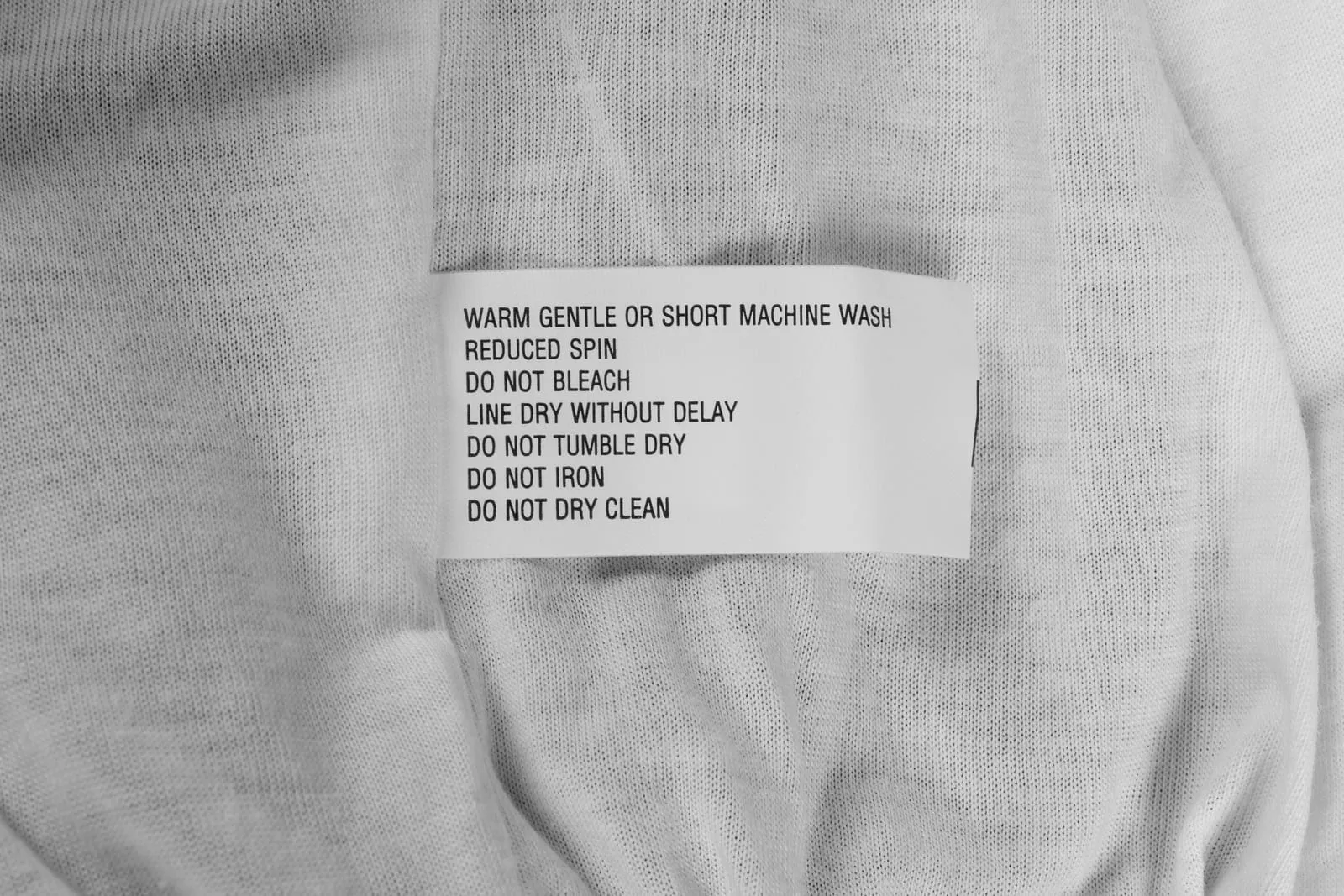
Read the care label and treat its temperature as a ceiling rather than a target. A cooler wash with a slightly longer cycle cleans most everyday garments just as well, and it is much gentler on anything with stretch in it.
Three habits follow from that:
- Turn garments inside out before washing. Most of the abrasion happens on the outside, where you sit and lean. Inside out protects the surface and lets the detergent reach the skin side.
- Wash similar weights together. A heavy pair of trousers tumbling against a thin knit abrades it. Sorting by fabric weight matters more than sorting by colour, though you should do both.
- Don’t overload the drum. A crammed machine means less agitation, more creasing and more strain on seams when the load is spun.
Skip fabric softener on anything with elastane or a technical finish. It leaves a film on the fibre, which is the opposite of what a knit that needs to recover its shape requires. A half-cup of white vinegar in the rinse does the softening job without the coating.
Washing by fabric
Knits and jersey. Cool wash, gentle cycle, mesh bag if the knit is fine or the garment is heavy. Skip the dryer entirely.
Wool and tailoring. Cold or wool cycle with a detergent made for wool, minimal agitation, and no wringing. Wool felts when it is heated and agitated, and a jacket that goes through a normal cycle will not return to its shape.
Denim. In cold water, inside out, and less often than you think. Denim loses indigo and shape with every wash. Spot-clean between washes and hang it to air.
Viscose and rayon. These weaken when wet, so handle a soaked viscose garment gently and never hang it dripping. Lay it flat or dry it on a rack with support.
Lined and structured garments. If there is interfacing or canvas inside, dry cleaning is usually the safer route, and the label will say so. Home washing a structured jacket can delaminate the interfacing, which is what gives the shoulder its line.
Drying without stretching it out
Weight is the second enemy, and it acts through water. A wet knit dress is heavy enough to pull its own shoulders out of shape.
- Dry knitwear flat, reshaped to its original dimensions, on a towel or a mesh rack. Never on a hanger.
- Dry heavy garments flat or over a rack, not hanging by the shoulders.
- Hang trousers by the waistband or dry them flat; hanging them by the hem puts all the weight into the waistband and the crotch.
- Use low heat if you must tumble, and take anything with elastane out while it is still slightly damp. High heat is what makes a waistband go slack and a knit lose its snap.
- Tumble only what is designed for it. Heavy cotton and towels survive it; almost nothing else improves.
If a garment does shrink, check the length before deciding it is ruined. A hem can be let down, and a slightly shorter dress is often still wearable — but a shrunken knit that has lost its recovery is done.
Storing so that fit survives
Storage damage is slow and easy to avoid.
- Fold knits, never hang them. A knit on a hanger stretches at the shoulder within weeks, and that stretch does not come back.
- Hang wovens and tailoring on wide, shaped hangers that support the shoulder line. Thin wire hangers concentrate the weight on one point of a shoulder seam.
- Store only clean clothes. Small amounts of body oil and deodorant become stains over months, and food or sweat attracts moths. Wool, in particular, should never go away dirty.
- Give garments room. Compressing clothes in an overstuffed drawer creases interfaced and coated fabrics permanently, and it crushes the loft out of a knit.
- Keep light off stored clothes, especially dark colours, and keep the space dry. Damp encourages mildew in natural fibres, which is very hard to remove.
Between washes and repairs
You do not need to wash as often as you do. Air a garment overnight, brush wool with a soft brush to lift the nap, and steam it rather than pressing it: steam relaxes wrinkles and helps a knit return to shape without flattening the surface.
Learn to spot the three repairs that keep garments wearable:
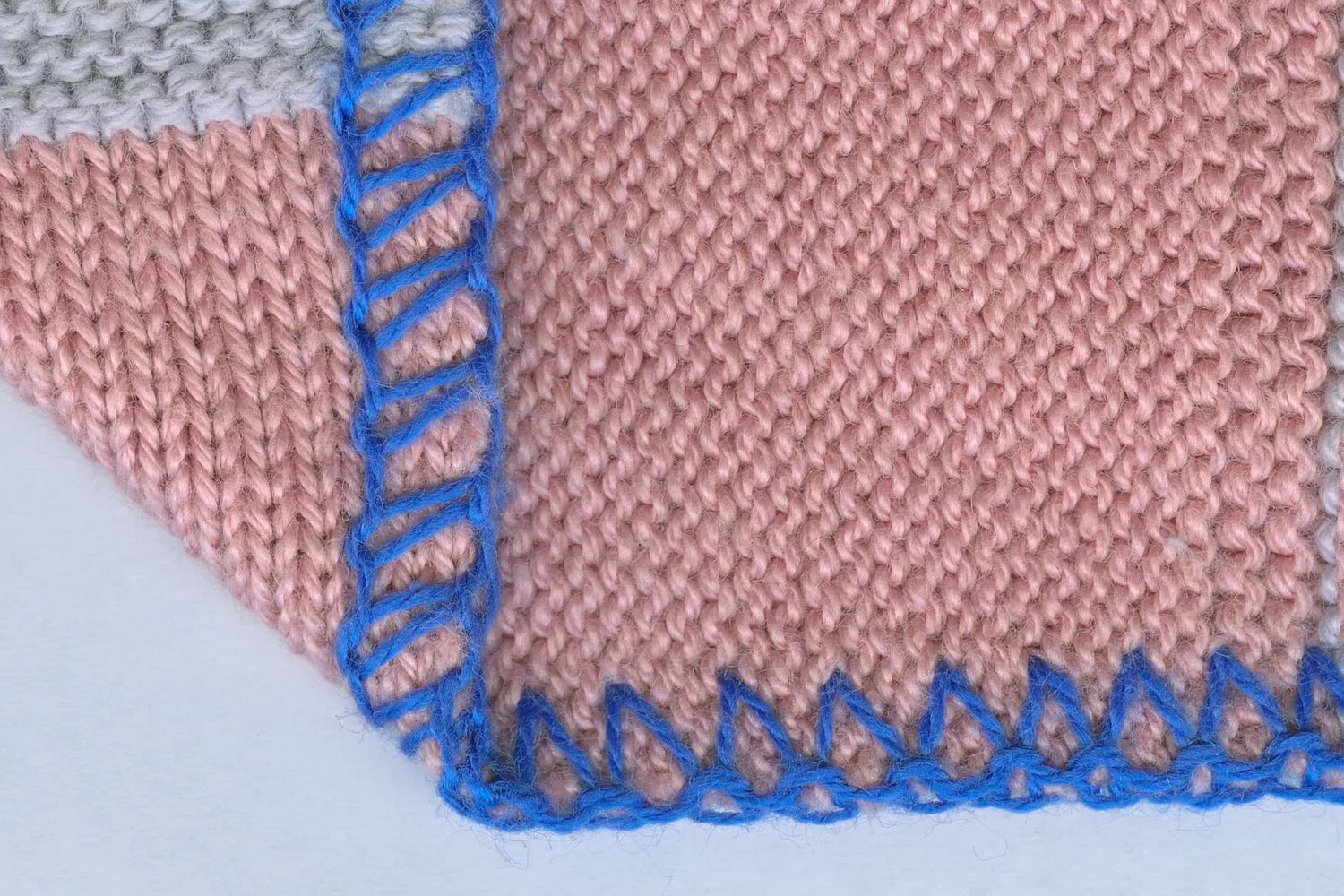
- A popped seam at a strain point. Usually the seat, the underarm or the crotch. Stitch it with a slight zigzag rather than a straight line, so the repair can move with the fabric. Do it early, before the fabric around the seam thins.
- Pilling. A fabric shaver removes the pills, but the pilling tells you something: the fibre is abrading where it rubs, usually under the arms or between the thighs. Keep it shaved so the surface does not catch on itself further.
- A dropped hem. On a heavier garment, a hem comes down at the back or the side because of the body underneath it. A tailor can rehang it, and it is a cheap fix compared with replacing the garment.
Care is a fit issue
The reason to bother is not thrift for its own sake. A garment whose fabric has lost its recovery no longer fits: it hangs at the seat, gaps at the elbow and rides up at the hem. Looking after the fabric is how you keep the fit you paid for, and it is the only part of the fit that you control after the tags come off.